


Industrial Power Systems are the backbone of production, providing the necessary electricity to power machines and entire systems. In every industry, an electrical department...
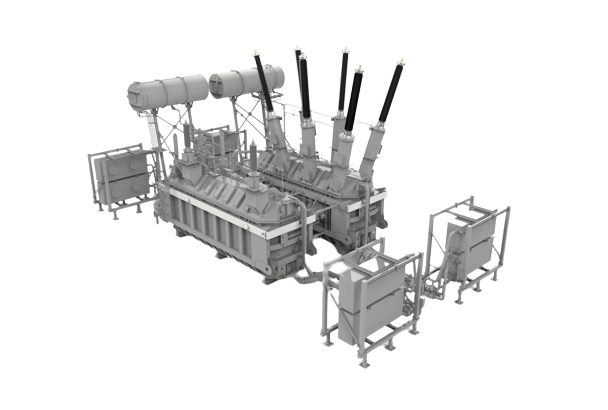
Transformer taps, efficiency, and parallel connections are essential concepts in electrical engineering. This article provides an in-depth look at how transformer taps are used...
An electrical Transformer is crucial for transferring electrical energy between circuits. This article explains how transformers work, their different types, and their efficiency.
What is...
A circuit breaker cuts power automatically on overload or short circuit. See the types (MCB, GFCI, AFCI, ACB, VCB), how it trips, and how to size one.
A transmission line carries bulk power at high voltage from power plants to substations. Components, overhead vs underground, voltages, sag and skin effect.
How a DC motor works: the field pushes on the current-carrying armature and the commutator flips the current so it keeps turning. Types, back EMF, losses, speed control.
AC Motors are essential components in various applications, powering everything from household appliances to industrial machinery. This article explores the fundamentals of AC motors,...
This article discusses topics such as Corona Effect, Skin Effect, Proximity Effect, Ferranti Effect, Critical Disruptive Voltage, Visual Critical Voltage, and more.
Quick...
Digital Display Technologies encompasses a range of methods that are used to present information in a clear, visual format. These technologies include LED (Light...
What is an AC Generator? The basic principle of an alternator / AC generator and a DC generator is almost the same. However, there...
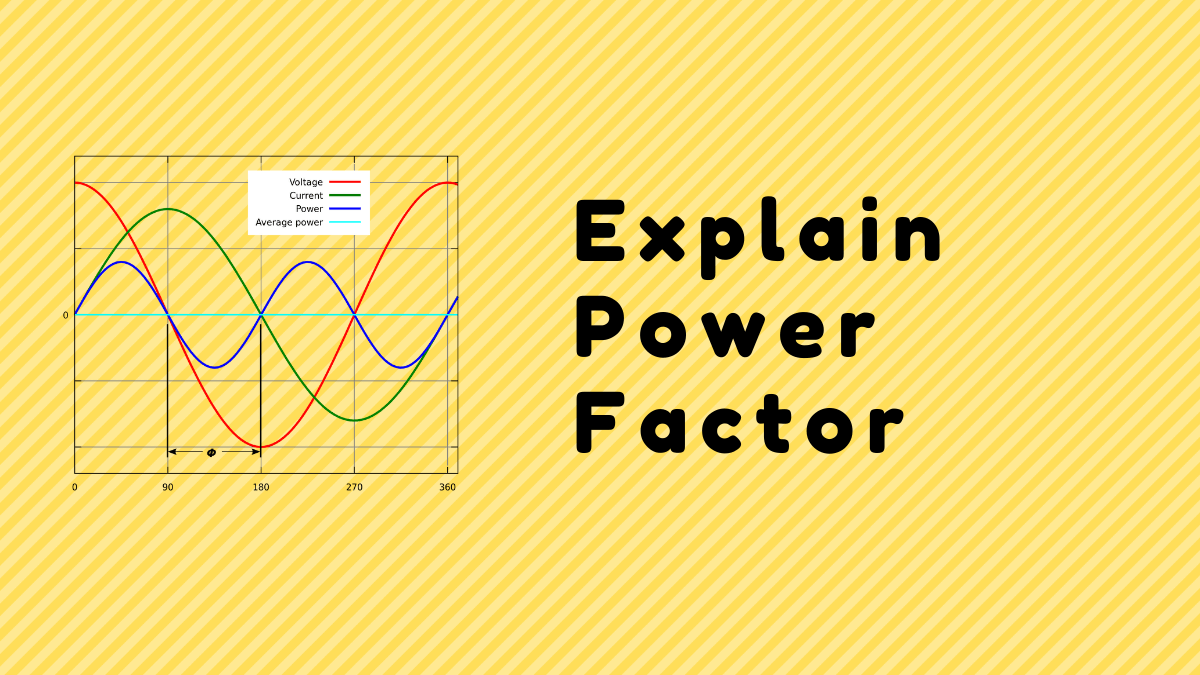
n the realm of electrical engineering, understanding power factor is crucial for efficient power management and optimization. Power factor, a key parameter in AC...
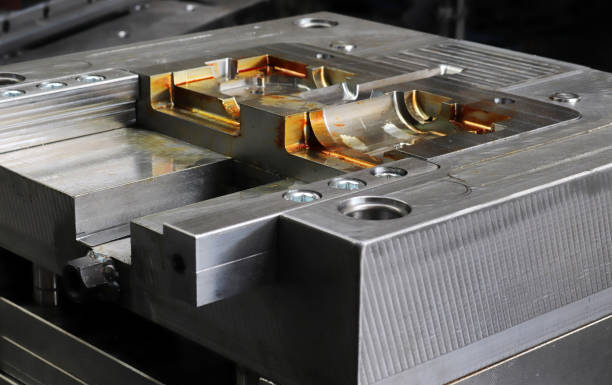
An Overview of Mold Materials
Mold material is most likely the most important aspect of the whole injection process as stated utilization essentially disrupts the...