
Voltage drop questions are common on Journeyman electrician exams because they test one skill: choosing a conductor size that keeps voltage loss within a...

In the fast-paced world of electrical engineering and electrician work, having the right tools at your fingertips can make all the difference.
Whether you're a...
NEC Table 430.250 is the table electricians, engineers, and inspectors use to find the Full-Load Current (FLC) of a three-phase AC motor by horsepower...
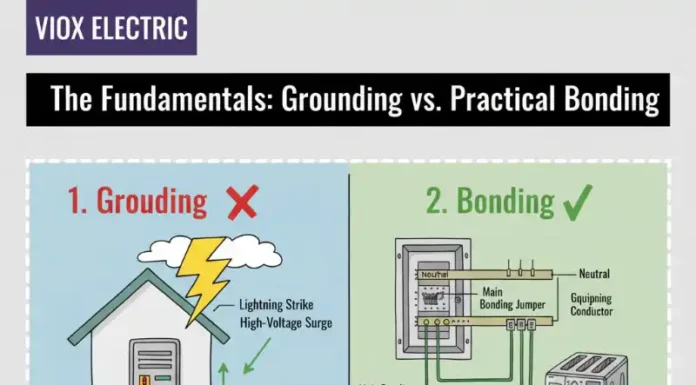
How to ground a service panel per NEC Article 250: ground rod, GEC sizing, the main bonding jumper, and why subpanels keep neutral and ground separate.
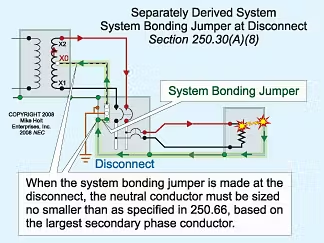
🔌 What is a Separately Derived System (SDS)?
An SDS is a system sourced from something other than a service where there is no direct...
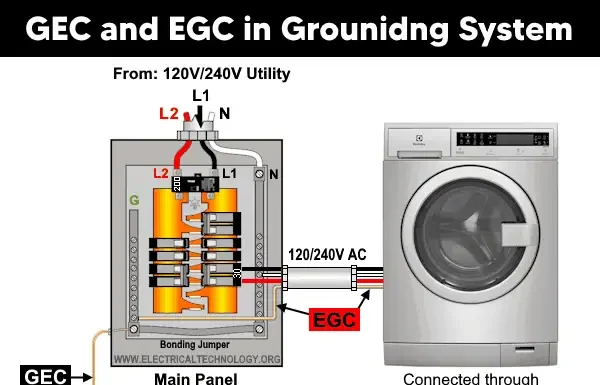
What is the EGC?
The Equipment Grounding Conductor (EGC) is the primary safety mechanism of the electrical system.
While the Grounding Electrode Conductor (GEC) connects the...
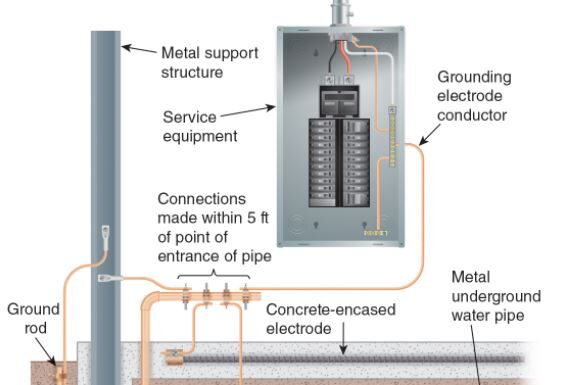
What is a Grounding Electrode?
A grounding electrode is simply a conductive object that establishes a direct connection to the Earth.
The NEC lists 8 specific...
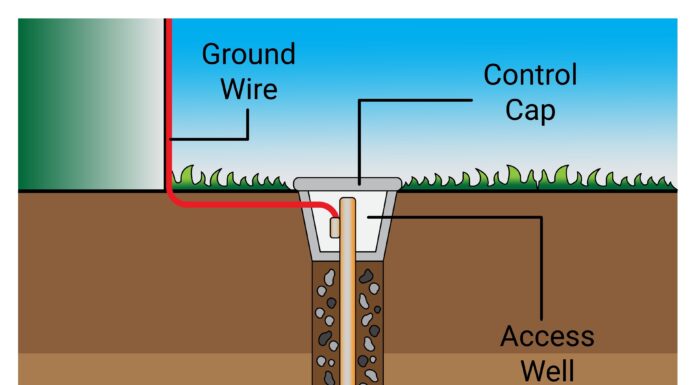
NEC Article 250 is arguably the most important section of the Code for safety. Its primary goal is to protect people from electrical shock...
NFPA 731 Section 4.6.3.12(2) clearly states that whenever raceways, conduits, or tubing are used (even for security systems), they must be sized in accordance...
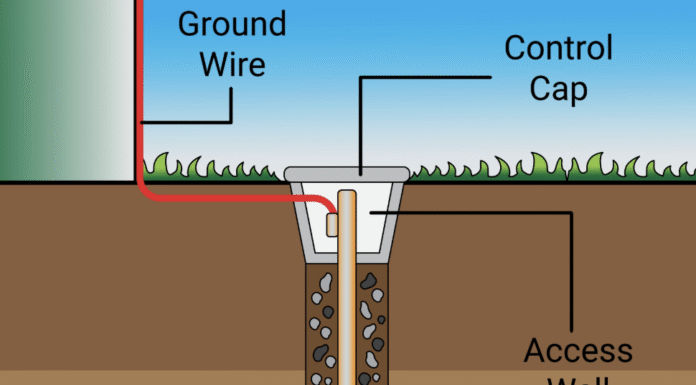
NEC Table 250.66 is the standard for determining the size of the Grounding Electrode Conductor (GEC) for alternating-current systems.
Grounding Electrode Conductor for Alternating-Current Systems
Use...
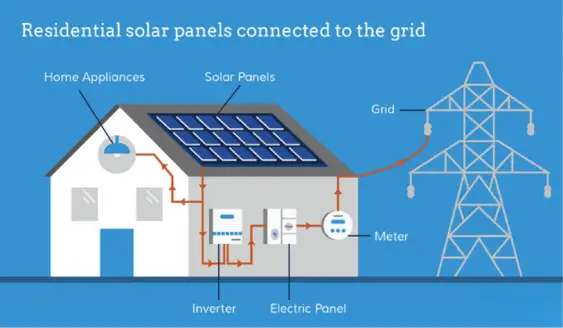
What is an Inverter?
The inverter is an electronic device used to convert Direct Current(DC) into Alternating current(AC). The Alternating Current is a current that consistently changes its magnitude...
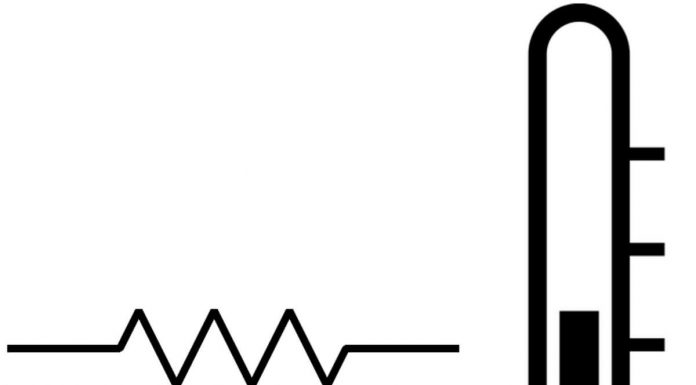
Relation between resistance and temperature, want to know about it? Resistance is the ability of a substance to interfere with the conduction of electricity....