

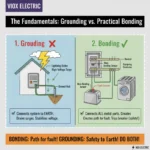
Ground an Electrical Panel: NEC Requirements
🏠 Ground an Electrical Panel: NEC Requirements
Proper grounding is the non-negotiable foundation of electrical safety. It ensures stability and provides a critical path for...
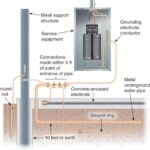
The 8 Grounding Electrodes: NEC 250.52 Overview
What is a Grounding Electrode?
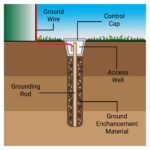
A grounding electrode is simply a conductive object that establishes a direct connection to the Earth.
The NEC lists 8 specific...
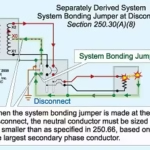
Grounding & Bonding Separately Derived Systems (SDSs)
🔌 What is a Separately Derived System (SDS)?
An SDS is a system sourced from something other than a service where there is no direct...
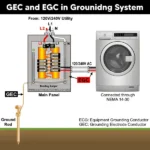
Equipment Grounding Conductors (EGC)
What is the EGC?
The Equipment Grounding Conductor (EGC) is the primary safety mechanism of the electrical system.
While the Grounding Electrode Conductor (GEC) connects the...
Purpose of Grounding (Article 250 Overview)
NEC Article 250 is arguably the most important section of the Code for safety. Its primary goal is to protect people from electrical shock...
Grounding Electrode Explained: What Electricians Need to Know
A grounding electrode is the conductive part of the electrical system that makes a direct connection to earth. In practical jobsite terms, it is...
NEC Article 250 Explained: Grounding and Bonding Basics for Electricians
If you want the short answer, NEC Article 250 is the main section of the code that explains how electrical systems are grounded and...
Grounding a Conductor Explained: What Grounding Means in Electrical Systems
If you are learning electrical theory or preparing for the journeyman exam, the phrase grounding a conductor can be confusing at first.
That is because...

Bonding Jumpers: Types, Sizing & NEC Code Rules (2026)
If you've ever had an inspector flag a grounding and bonding issue — or stumbled on an exam question about NEC Article 250 —...