

History of Electricity reveals that its discovery wasn't the work of a single individual. While the concept of electricity has been known for thousands...
What one AC cycle is, plus amplitude, frequency, period, phase, alternation, RMS, form factor and peak factor explained simply with formulas.

An Electrical Isolator, also known as a disconnector, is a manual mechanical switch used to disconnect electrical equipment from the power system. Unlike circuit...
An Astable Multivibrator Circuit is a fundamental electronic configuration that generates continuous square waves without external triggering. Using a 555 Timer IC, you can...
A Monostable Multivibrator Circuit, using a 555 Timer IC, is a practical electronic project to generate precise single pulses in response to an external...
Primary sources of electrical energy are the backbone of modern civilization, powering industries, homes, and essential services. These sources, ranging from conventional methods such...
Types of fuses are essential components in electrical systems, designed to protect circuits and connected loads from damage while ensuring safety. Fuse play a...
Clipping and clamping circuits are essential topics in electronics, playing crucial roles in shaping and controlling signal waveforms. Clipping circuits modify the amplitude of...
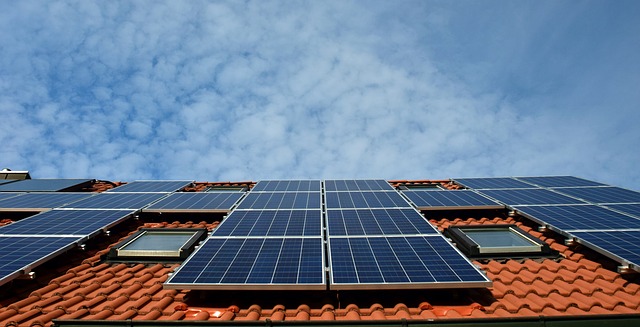
The sun provides us with both light and heat, essential for life on Earth. Beyond these basic benefits, solar energy can also be harnessed...
Electrical Transformer testing is a crucial aspect of ensuring the reliability, efficiency, and safety of power systems. These tests validate the operational integrity of...
Wattmeter is essential instruments used to measure the real power consumed by electrical devices. Before diving into the details of wattmeters, it’s crucial to...
A turbine is a machine that turns the energy of moving steam, gas, wind or water into shaft rotation. Compare the 4 types, their efficiency (33-95%) and uses.