

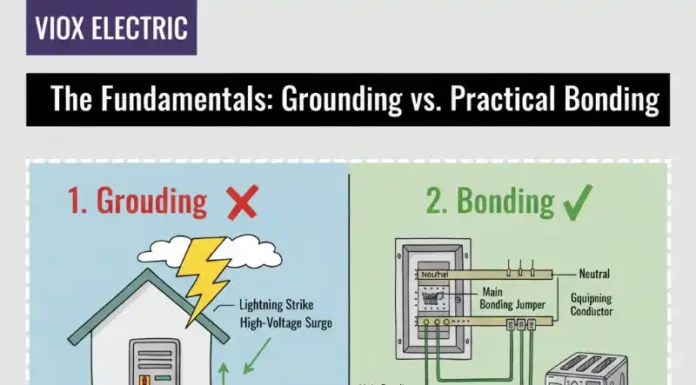
🏠 Ground an Electrical Panel: NEC Requirements
Proper grounding is the non-negotiable foundation of electrical safety. It ensures stability and provides a critical path for...
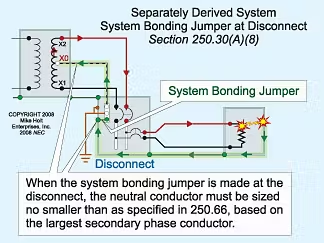
🔌 What is a Separately Derived System (SDS)?
An SDS is a system sourced from something other than a service where there is no direct...
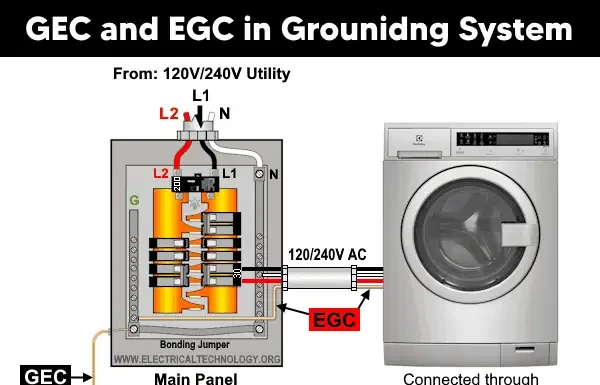
What is the EGC?
The Equipment Grounding Conductor (EGC) is the primary safety mechanism of the electrical system.
While the Grounding Electrode Conductor (GEC) connects the...
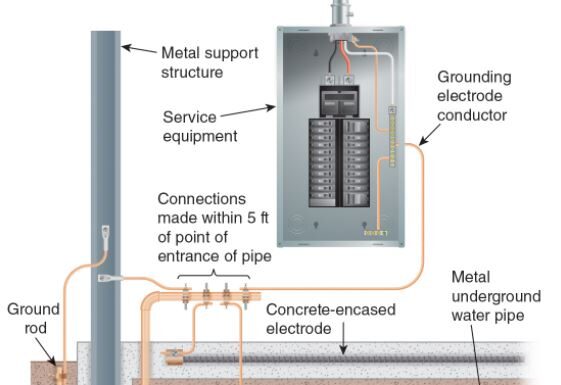
What is a Grounding Electrode?
A grounding electrode is simply a conductive object that establishes a direct connection to the Earth.
The NEC lists 8 specific...
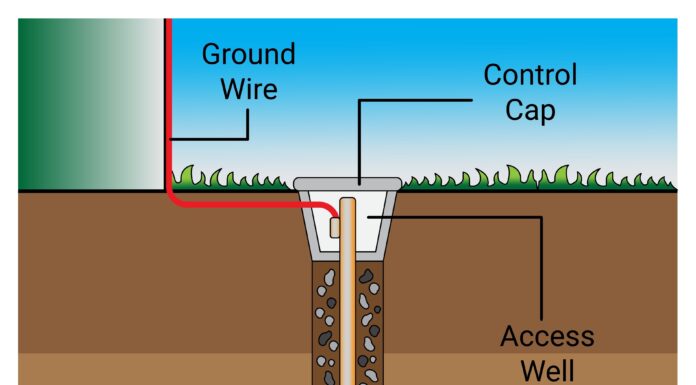
NEC Article 250 is arguably the most important section of the Code for safety. Its primary goal is to protect people from electrical shock...
NFPA 731 Section 4.6.3.12(2) clearly states that whenever raceways, conduits, or tubing are used (even for security systems), they must be sized in accordance...
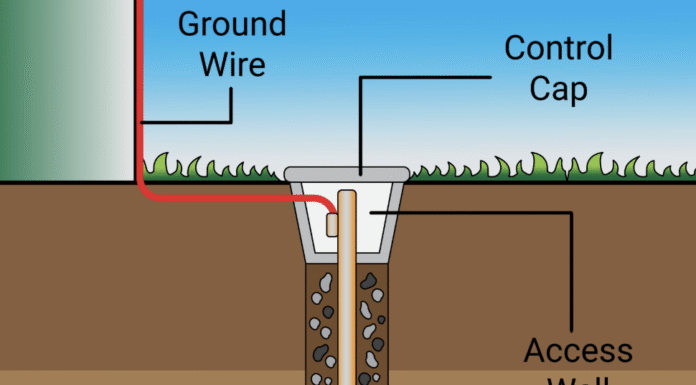
NEC Table 250.66 is the standard for determining the size of the Grounding Electrode Conductor (GEC) for alternating-current systems.
Grounding Electrode Conductor for Alternating-Current Systems
Use...
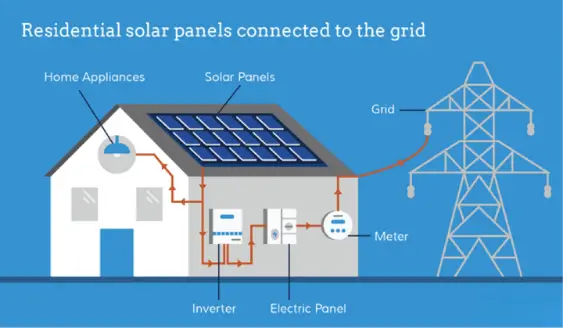
What is an Inverter?
The inverter is an electronic device used to convert Direct Current(DC) into Alternating current(AC). The Alternating Current is a current that consistently changes its magnitude...
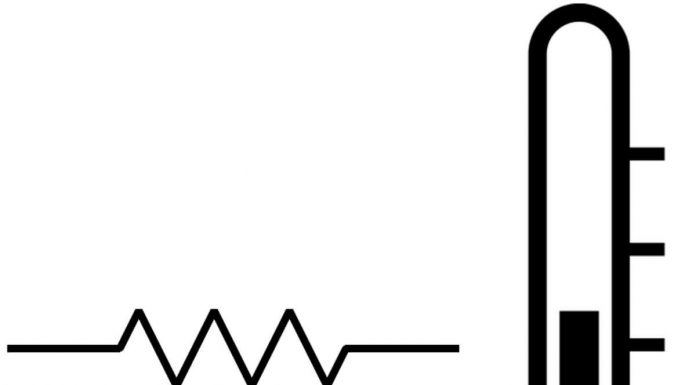
Relation between resistance and temperature, want to know about it? Resistance is the ability of a substance to interfere with the conduction of electricity....
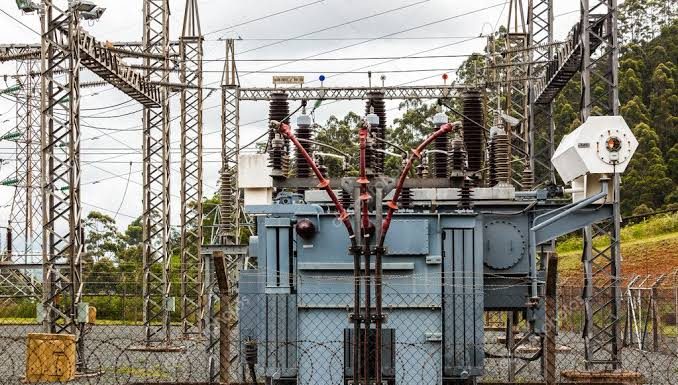
The transformer is a stationary device. Various questions about this device make the minds of electrical engineering students restless. Now, a question might arise...
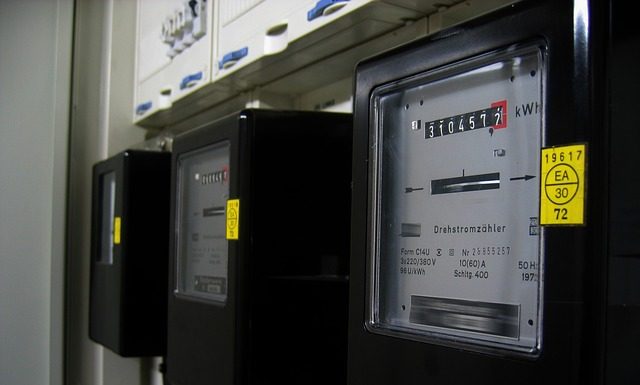
Effect of low/ high voltage on electricity bill- have you ever thought about this? Does high voltage causes more consumption of electricity? Let's learn.
Voltage...

What is RYB in three phase system? Have you ever wondered about the three phase system? But why only red, yellow, blue is chosen?
In the...