


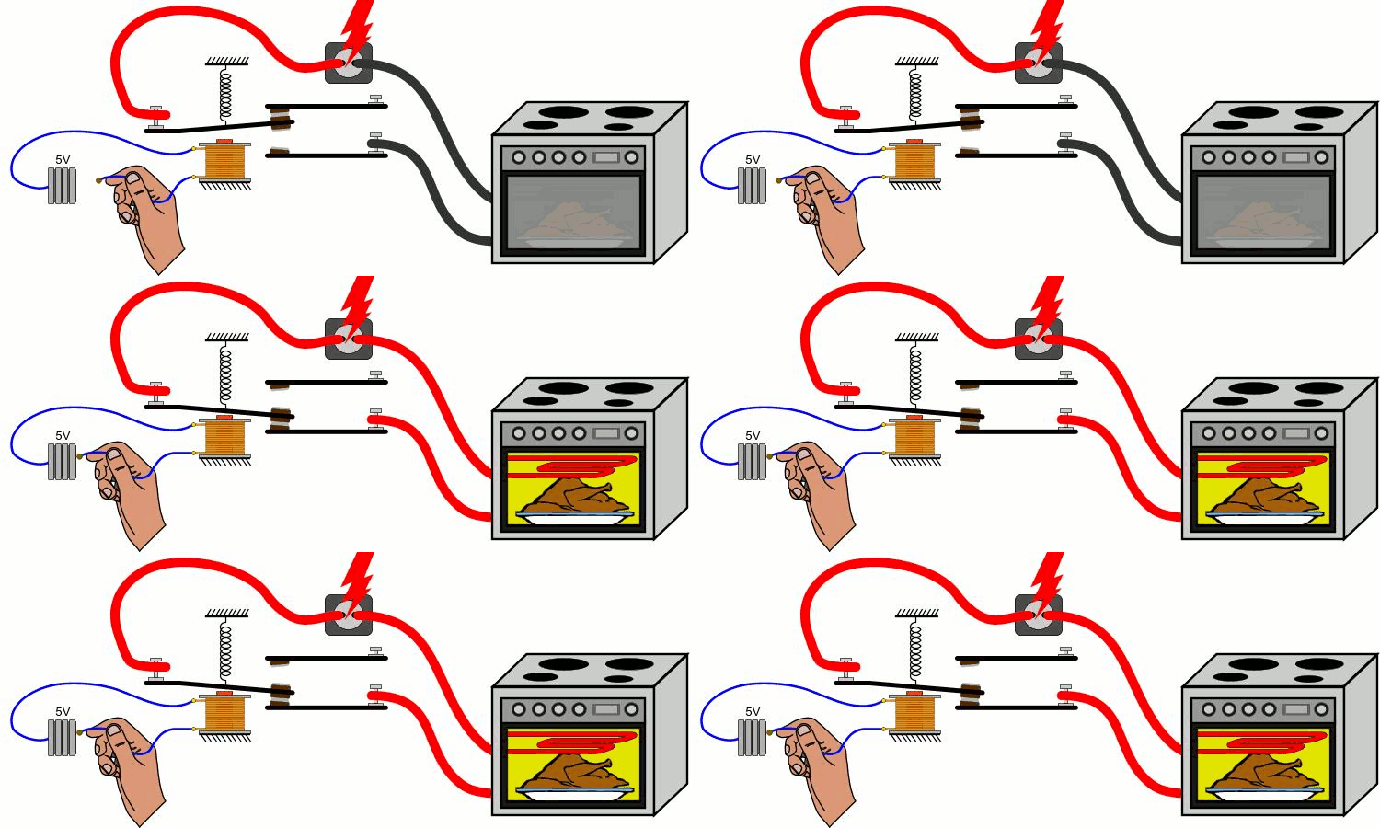
This animation shows how a relay works as an electrically operated switch.
Relays allow a low-voltage control signal to switch high-voltage or high-current loads safely.
Study smarter with VoltageLab
Built for electricians, apprentices, and electrical engineers who want faster practice and better exam prep.
⭐️ Join thousands of electricians upgrading their skills
They are commonly used in automation, protection circuits, motor control, and home appliances.
Key Components:
- Control Coil: A small electromagnetic coil activated by a low voltage (e.g., 5V).
- Armature (Moving Contact): A metal lever that moves when the coil is energized.
- Spring: Returns the armature to its original position when power is removed.
- Normally Open (NO) Contact: Remains open until the relay is activated.
- Normally Closed (NC) Contact: Remains closed until the relay is activated.
- Load Circuit: The high-power device (e.g., an oven) being switched.
Working Principle:
- A low-voltage signal (5V in the GIF) energizes the coil.
- When the coil is powered, it becomes an electromagnet.
- The magnetic force pulls the armature, changing the contact positions.
- This closes the NO contact, allowing high-voltage power to reach the load.
- When the control signal is removed, the spring pushes the armature back, opening the circuit and turning the load OFF.
This allows small control circuits (like microcontrollers, switches, sensors) to operate large electrical devices safely.
⚡ Tip:
Relays provide electrical isolation, preventing dangerous high voltages from reaching the control side — making them essential for safe switching.
FREE PRACTICE TOOL
Think you'd pass this on a real exam?
Test what you just read with instant-feedback quizzes built around real code questions — not generic trivia.
5
Code standards
10,000+
Active learners
100%
Free to start
Instant explanations on every answer, right or wrong
NEC, BS7671, AS/NZS, CEC, and DIN VDE covered
Bite-sized quizzes you can finish in 5 minutes
No signup required to try your first quiz
No account needed · Takes less than 2 minutes