


Motor Circuit Protector (MCP) vs Circuit Breaker: Differences
A motor circuit protector trips on short circuits only — no overload protection. MCP vs circuit breaker differences, NEC 430.52 sizing, and where the Code allows it.
208 V vs 240 V: What’s the Difference and Why It Matters
208 V comes from a three-phase wye, 240 V from a center-tapped transformer. The real difference, the 75% heat rule, and running 240 V gear on 208 V.

Kirk Key Interlock Explained: How It Works & When It’s Required
What a Kirk key interlock is, how trapped-key interlocking works, the common schemes it protects, and why it is never a substitute for lockout/tagout under NFPA 70E.
Can a 200 A Breaker Be Your Service Disconnect? NEC Rules
Can a 200A breaker be a service disconnect? What NEC 230.70, 230.71, 230.79 and 230.85 require of a 200 amp disconnect, plus conductor sizing from Table 310.12(A).
Schedule 40 vs Schedule 80 PVC Conduit: Differences & NEC Uses
Schedule 40 vs Schedule 80 PVC conduit: same outside diameter, different wall. Fill loss, physical damage rules under NEC 352.12(C) and 300.5(D)(4), and where each is allowed.
High-Resistance Grounding Explained: How It Works & Where It’s Used
High resistance grounding limits ground-fault current to 5-10 amps so a first fault alarms instead of tripping. How the NGR is sized, and what NEC 250.36 requires.
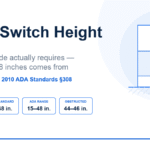
Light Switch Height: NEC & ADA Mounting Requirements
Light switch height explained: the 6 ft 7 in. maximum in NEC 404.8(A), the 15-48 in. ADA reach range, and why 48 inches is trade practice and not code.

Low, Medium & High Voltage: Definitions and Class Boundaries
Low, medium and high voltage ranges: low ≤1000 V, medium 1 kV–100 kV, high 100–230 kV (ANSI/IEEE), plus how the NEC, IEC and OSHA draw the line.
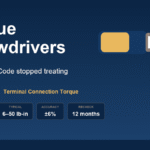
Torque Screwdrivers for Electricians: Why NEC 110.14(D) Now Requires Them
Why NEC 110.14(D) makes a torque screwdriver mandatory, what range electricians need, and the default torque values from NEC Informative Annex I and UL 486A-486B.
Grounding and Bonding: Safety Essentials
Grounding and Bonding: How Are They Different?
Grounding and bonding are often confused, but they’re not the same. Both work together to keep electrical systems...
Safe Working at Heights in the Electricity Supply Industry
Working at heights on electricity network poles and structures involves serious risks such as falls and electrical hazards. Proper training, equipment, and safe practices...
Fire Safety in Electrical Installations
🔥 What is an Electrical Fire?
An electrical fire starts from damaged or overheated electrical components, wiring, or appliances. These fires spread quickly and can...